Blog · July 25, 2026
Boost Your Home's Curb Appeal with Power Washing
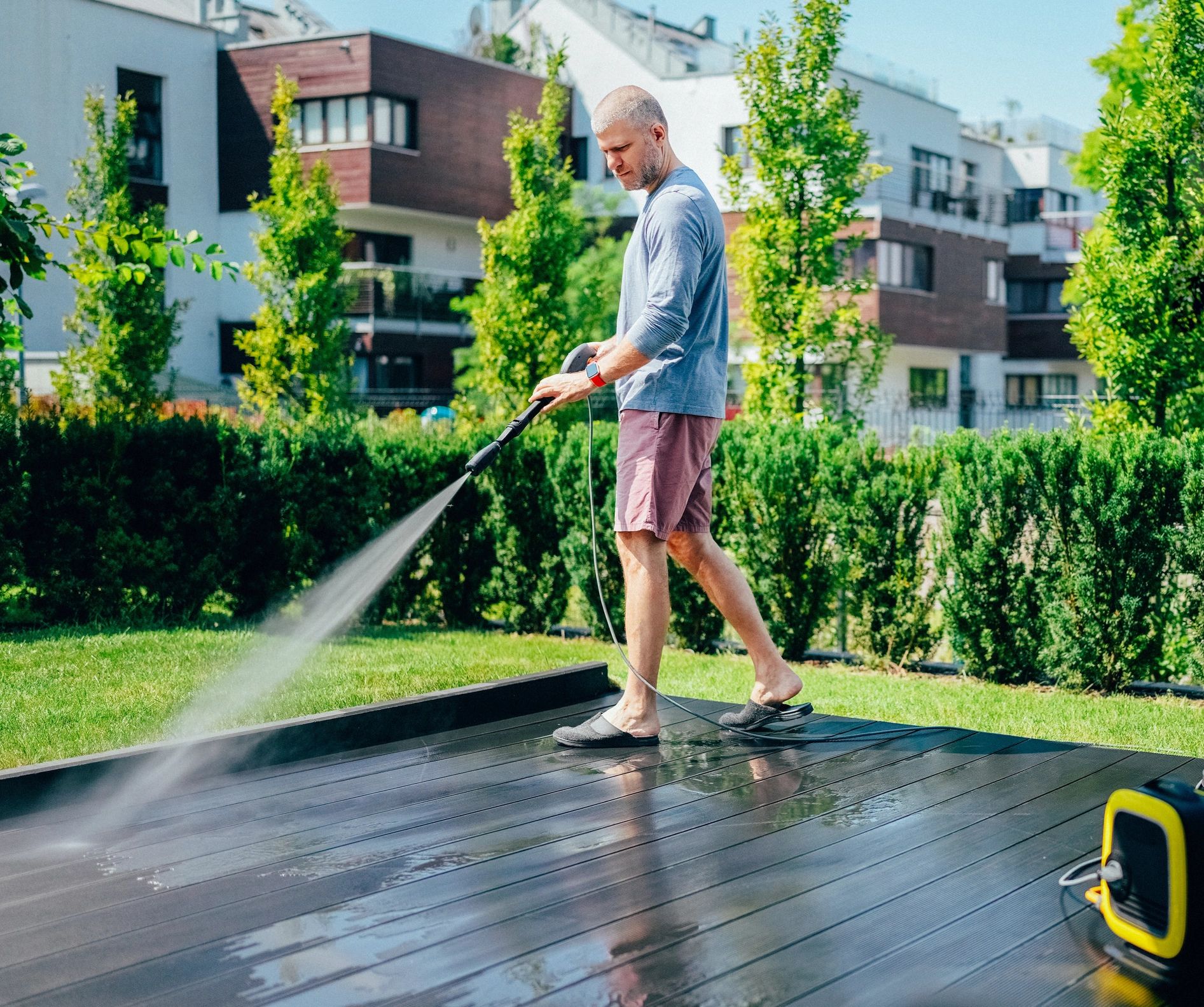
Transform Your Home’s First Impression—Starting from the Ground Up
In Maryland’s humid climate, where seasonal pollen, algae growth, and frequent rainfall accelerate the buildup of grime on exteriors, even well-maintained homes can start to look tired and neglected. The truth is, no amount of landscaping or paint can fully compensate for dirty siding, moss-covered driveways, or patio stones stained by years of exposure. That’s where power washing comes in—not just as a cosmetic fix, but as a critical component of routine home maintenance.
Power washing uses high-pressure water to safely remove embedded dirt, mildew, chalky residue, and organic growth from surfaces like brick, concrete, vinyl, and wood. For homeowners across cities like Columbia, Annapolis, and Bethesda, this service plays a key role in preserving exterior materials, extending the life of investments like decks and driveways, and preventing long-term damage caused by moisture-trapping debris.
By incorporating power washing into your seasonal home care routine—typically in spring and fall—you can:
- Prevent mold and mildew from compromising structural integrity
- Improve curb appeal before selling or hosting outdoor gatherings
- Reveal the true condition of surfaces before painting or sealing
In the sections ahead, you’ll learn how to assess your home’s cleaning needs, choose the right techniques for different materials, and avoid common mistakes that could lead to costly repairs.
Master the Art of Power Washing Your Home’s Exterior
Power washing can transform your home’s look—but only if done correctly. Each exterior surface requires a tailored approach to avoid damage while maximizing cleaning power. Follow this step-by-step guide to safely power wash driveways, sidewalks, and siding in climates like Maryland’s, where seasonal grime, algae, and pollen buildup are common.
1. Assess the Surface Type Identify the material: concrete, asphalt, brick, vinyl, or stucco. Delicate materials like wood or older stucco need lower PSI (under 1,500), while concrete driveways can handle 2,500–3,000 PSI. Using too much pressure risks etching or warping.
2. Clear the Area Remove furniture, toys, and obstructions. Cover nearby plants, electrical outlets, and windows with plastic sheeting to protect them from overspray and debris.
3. Pre-Treat Stains and Mildew Apply a biodegradable cleaning solution to oil stains on driveways or mildew on siding. Let it sit for 5–10 minutes to break down grime. For organic growth, use a detergent formulated for soft washing to avoid surface damage.
4. Choose the Right Nozzle and Technique Use a 25-degree (yellow) nozzle for general cleaning and a 40-degree (white) for delicate surfaces. Maintain a consistent 12–18 inch distance, working in overlapping passes from bottom to top to prevent streaks.
5. Rinse Thoroughly and Inspect Start at the highest point and work downward to avoid re-soiling cleaned areas. Ensure all detergent residue is flushed away, especially on siding, to prevent long-term discoloration.
Pro Tip: In humid regions like Columbia, schedule power washing every 12–18 months to prevent mold regrowth and maintain long-term curb appeal.
Protect Your Home’s Value with Routine Power Washing
Regular power washing does more than refresh your home’s appearance—it’s a proactive defense against long-term structural damage and a smart move for boosting property value. Over time, outdoor surfaces accumulate dirt, mold, mildew, algae, and pollutants that, if left untreated, can degrade materials like wood, stucco, brick, and concrete. In humid climates such as Maryland’s, organic growth thrives on shaded exteriors, leading to wood rot, paint failure, and compromised siding integrity. By incorporating power washing into your seasonal maintenance routine, you remove these harmful contaminants before they cause costly repairs.
Beyond preservation, a consistently cleaned home maintains stronger curb appeal, which directly influences market perception and valuation. Homes with well-kept exteriors often appraise higher and attract buyers faster, especially in competitive neighborhoods across Columbia and surrounding areas. Real estate professionals frequently highlight clean roofs, driveways, and walkways as key selling points.
To maximize benefits, consider these best practices:
- Power wash key surfaces at least once per year, more often in high-moisture or wooded areas
- Focus on high-impact zones like entryways, garage doors, and visible siding
- Use soft washing techniques for delicate materials to prevent damage
Regular exterior cleaning isn’t just about looks—it’s an investment in longevity, safety, and resale potential.
Avoid Costly Errors: Power Washing Mistakes That Harm Your Home
Power washing can transform your home’s exterior, but improper techniques often lead to unintended damage. Avoiding common mistakes ensures safe, effective results while protecting your property investment.
One major error is using excessive pressure on delicate surfaces like wood siding, stucco, or window seals. High PSI settings can gouge paint, force water behind cladding, or compromise caulking—leading to moisture intrusion and rot over time. Always match the pressure to the surface: lower settings for soft materials, higher only for durable concrete or brick.
Another frequent oversight is neglecting to shield landscaping. Spraying near flower beds or shrubs can erode soil, expose roots, or injure plants with dislodged debris. Before starting, cover plants with tarps and wet down soil to minimize splash damage.
Using the wrong nozzle tip is also problematic. A zero-degree spray concentrates force in a narrow stream, increasing the risk of surface etching. Instead, opt for a 25- or 40-degree tip for wider, safer coverage.
Never aim upward at soffits or under roofing edges—this can drive water beneath shingles or into attic spaces, creating mold or structural issues. And avoid power washing old paint; it may accelerate peeling instead of restoring appearance.
Lastly, skipping prep work like securing windows and testing cleaners on small areas first can lead to water entry or discoloration. Take time to prep, choose the right settings, and protect surroundings for a flawless, damage-free clean.
Your Power Washing Questions, Answered
How often should I schedule power washing for my home’s exterior? Most homes benefit from professional power washing every 12 to 18 months. Properties in humid climates or areas with heavy tree coverage—like Columbia and other parts of Maryland—may need more frequent service due to faster buildup of mold, mildew, and organic debris. Seasonal inspections can help determine if cleaning is needed sooner.
Can power washing damage my siding or driveway? Yes, if done incorrectly. High pressure can crack vinyl, gouge wood, or erode mortar between bricks. The key is using the proper PSI (pounds per square inch) and nozzle angle for each surface. Soft washing, which uses lower pressure and specialized cleaning solutions, is often safer for delicate materials like stucco or cedar.
What’s the difference between pressure washing and soft washing? Pressure washing relies on high-force water to remove grime, ideal for concrete or stone. Soft washing uses lower pressure combined with biodegradable sanitizers to eliminate algae, mold, and bacteria without damaging surfaces—making it perfect for roofs, siding, and painted areas.
Should I power wash before painting or selling my home? Absolutely. A clean surface ensures better paint adhesion and prevents premature peeling. For home sellers, power washing boosts curb appeal instantly, removing years of dirt, streaks, and stains to make your property look well-maintained and move-in ready.
Is it worth hiring a professional instead of renting a machine? Yes, especially for multi-story homes or sensitive surfaces. Professionals have commercial-grade equipment, proper training in surface-specific techniques, and safety protocols. They also know how to avoid damaging windows, electrical outlets, or landscaping.
When is the best time of year to power wash in Maryland? Spring and early fall are ideal—after winter’s salt and grime have built up but before extreme heat. Choose a dry, mild day to allow surfaces to dry evenly and prevent moisture from getting trapped.
Protect Your Home’s Value with Smart Exterior Care
Maintaining your home’s exterior isn’t just about first impressions—it’s a strategic step in preserving structural integrity and long-term value. Over time, homes in regions like Columbia and across Maryland accumulate dirt, mildew, algae, and grime, especially in humid conditions or shaded areas. These contaminants don’t just dull surfaces—they can accelerate wear, degrade materials, and lead to costly repairs if left unaddressed. Professional power washing offers a powerful solution, safely removing buildup from driveways, siding, decks, and gutters without damaging underlying surfaces.
Unlike DIY attempts that risk water intrusion or surface etching from improper pressure settings, certified technicians use calibrated soft washing and pressure techniques tailored to each material. This precision not only restores curb appeal but extends the lifespan of exterior components. Regular cleanings also improve energy efficiency by eliminating heat-absorbing grime on walls and roofs.
To maximize results:
- Schedule annual power washing to stay ahead of mold and staining
- Pair cleaning with inspections to catch cracks or deterioration early
- Time services in spring or fall to prepare for seasonal weather extremes
Taking proactive care of your home’s exterior enhances neighborhood appeal and safeguards your biggest investment. For lasting results, consider professional service as part of your essential home maintenance routine—because a clean home isn’t just attractive, it’s built to last.