Blog · July 11, 2026
The Complete Guide to Pressure Washing
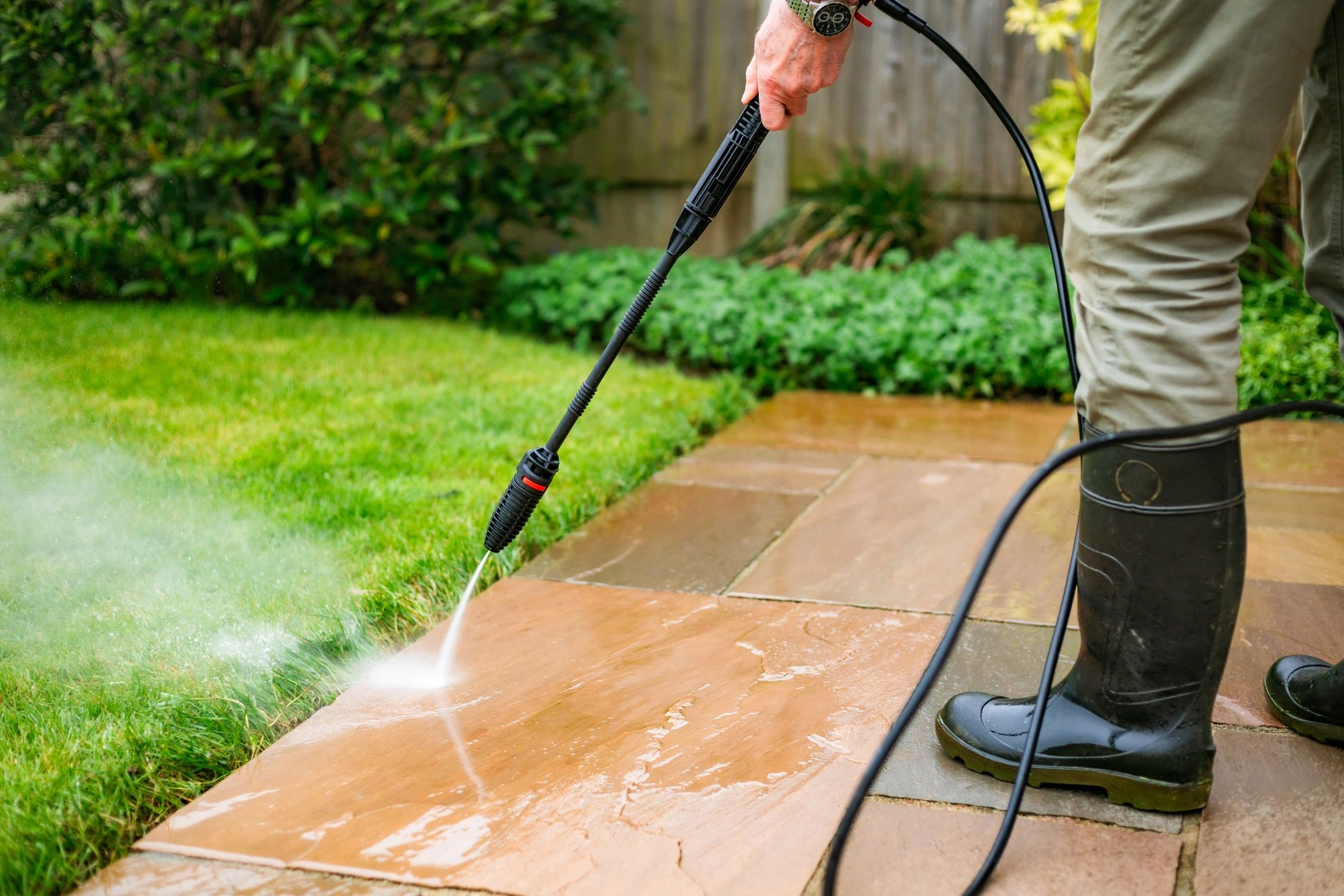
Reclaim Your Home’s Curb Appeal with the Power of Pressure Washing
Over time, even the most well-maintained homes in Columbia, MD, fall victim to grime, mildew, and environmental wear. From pollen buildup to algae growth on shaded siding, everyday exposure takes a toll—diminishing curb appeal and, in some cases, accelerating material decay. That’s where pressure washing steps in as a vital tool in proactive home maintenance. This high-impact cleaning method uses concentrated water flow to safely strip away dirt, mold, street residue, and stubborn stains from driveways, decks, sidings, and sidewalks without damaging surfaces when applied correctly.
For homeowners in humid Mid-Atlantic climates, pressure washing isn’t just about aesthetics—it’s a preventive measure. Regular exterior cleaning helps extend the life of wood decks, prevents concrete discoloration, and stops moisture-trapping mold from infiltrating porous surfaces. Whether you're prepping for painting, recovering from winter slush, or refreshing your landscape for spring, a proper pressure wash delivers dramatic results in just a few hours.
In this guide, you’ll learn the fundamentals of effective pressure washing, including equipment types, surface-specific techniques, safety best practices, and ideal cleaning schedules tailored to regional conditions. You’ll also discover how to identify problem areas before they escalate and when it’s best to seek professional support. Let’s dive into what makes pressure washing a cornerstone of intelligent, long-term home care.
Essential Pressure Washing Tools: 7 Must-Have Pieces of Equipment for Pro-Level Results
Tackling dirt, grime, and mildew on driveways, siding, or decks requires more than just water and elbow grease—having the right pressure washing equipment makes the job faster, safer, and far more effective. Whether you're cleaning a brick walkway in Columbia or prepping a weathered deck for sealant, here are seven key tools every homeowner or contractor should use for professional-grade cleaning.
1. Pressure Washer Unit (Gas vs. Electric) Choose based on power needs: gas models deliver higher PSI (pounds per square inch) for tough jobs like concrete or brick, while electric units are lighter, quieter, and ideal for routine maintenance on wood or vinyl—perfect for Mid-Atlantic homes.
2. Nozzle Tips (Quick-Change Set) Different surfaces require different spray angles (0° to 40°). A 15° red tip handles most siding, while a 40° white tip is safer for wood. Swapping nozzles lets you avoid damage from excessive pressure.
3. Surface Cleaner Attachment This spinning disc evenly distributes pressure, eliminating streaks and reducing cleaning time on flat surfaces like driveways and patios—especially useful in areas with salt buildup or mud from Columbia's seasonal rains.
4. Extension Wand & Adjustable Lance Reach second-story siding or gutters safely without a ladder. An adjustable wand lets you fine-tune height and angle, minimizing strain and improving coverage on multi-level homes.
5. Detergent Injector & Chemical Tank Apply cleaning solutions before blasting—this step is critical for mold, algae, or oil stains common in humid Maryland climates. Use biodegradable, surface-safe detergents to protect landscaping.
6. Hose Reel & High-Pressure Hose (50+ ft) A tangle-free reel keeps your workflow smooth. Invest in a durable, kink-resistant hose to match your unit’s PSI rating and reduce downtime.
7. Protective Gear (Goggles, Gloves, Boots) High-pressure spray can cause injury or slip hazards. Always wear safety goggles, slip-resistant boots, and chemical-resistant gloves—especially when working on wet stone or sloped surfaces.
Pressure Washing Different Surfaces: A Step-by-Step Safety Guide
Pressure washing can transform your home’s exterior, but using the wrong technique on sensitive surfaces can cause costly damage. Follow this proven sequence to clean effectively while protecting your property.
1. Select the Right Nozzle and PSI Start by matching your pressure setting to the surface. Use 500–1,200 PSI for delicate areas like windows or painted wood, and 2,500–3,000 PSI for concrete or brick. Always begin with the widest spray angle (40-degree nozzle) to minimize risk.
2. Pre-Treat with Cleaner Apply a surface-specific detergent using a low-pressure setting. For mold-prone areas common in Columbia’s humid climate, use a mildewcide solution. Let it dwell for 5–10 minutes—don’t let it dry.
3. Work Top to Bottom Begin washing from the highest point (e.g., siding or eaves) and move downward. This prevents dirty runoff from re-soiling cleaned areas. Keep the wand at a 45-degree angle and maintain a consistent 12–18 inch distance.
4. Handle Delicate Surfaces with Care For wood decks, use a fan tip and move steadily to avoid grain erosion. On stucco or soft brick, never exceed 1,500 PSI. Vinyl siding should be sprayed downward only to prevent water intrusion.
5. Rinse and Inspect Finish with a clean water pass to remove all detergent residue. Check for missed spots or water pooling—common issues in low-lying driveways across Columbia neighborhoods.
Pro Tip: Test a small hidden area first, especially on older homes with deteriorated sealants. Proper prep prevents costly repairs.
Avoid Costly Errors: Smart Pressure Washing Mistakes to Skip
Even experienced homeowners can unknowingly damage their property when pressure washing—especially in regions like Columbia with varied housing materials and seasonal weather shifts. High-powered cleaning is effective, but improper technique can lead to lasting harm. Understanding common mistakes ensures your home’s exterior looks refreshed without unintended consequences.
First, avoid using the wrong PSI (pounds per square inch) setting. Too much pressure on soft surfaces like vinyl siding, stucco, or wood can gouge or splinter materials, leaving them vulnerable to moisture intrusion. Always match the pressure to the surface—lower PSI with wider nozzles for delicate areas.
Second, never skip pre-treatment. Mold, mildew, and grime require proper dwell time with a cleaning solution before rinsing. Rushing this step leads to repeated passes, increasing the risk of damage.
Another frequent error? Washing from bottom to top. Always start high and work downward to prevent dirty water from streaking clean surfaces.
Never point the nozzle directly at window seals, electrical outlets, or soffits—water infiltration can lead to costly interior issues.
Lastly, don’t overlook the surrounding landscape. Protect plants, mulch, and garden beds with tarps; high-pressure spray can erode soil and damage foliage.
By avoiding these pitfalls, you protect your home’s integrity while achieving a professional-quality clean.
Pressure Washing FAQs: What Homeowners Need to Know
Can pressure washing damage my home’s surfaces? Yes, improper use can cause harm—especially on softer materials like wood siding, stucco, or older brick. Using too much PSI (pounds per square inch) or holding the nozzle too close can etch surfaces, force water behind siding, or strip paint. Always match the pressure setting to the material: lower PSI (500–1,500) for vinyl and decks, higher (2,000–3,000) for concrete or stone. When in doubt, start low and test on a small area.
Is it safe to pressure wash around windows and doors? Extreme caution is needed. High-pressure water can compromise seals, leading to leaks or fogged double-panes. Avoid direct spraying at joints, thresholds, or caulking. Instead, use a wide-angle tip and keep the wand at a safe distance while cleaning adjacent areas.
How often should I have my home pressure washed? For most homes in humid climates like Maryland, annual cleaning prevents mold, mildew, and dirt buildup. Homes near trees or in shaded areas may need it every 6–8 months due to faster algae growth.
Should I DIY or hire a pro for pressure washing? While rental units are available, professionals have industrial equipment, surface-safe detergents, and the expertise to avoid costly damage. They also handle waste runoff responsibly, which is critical near local waterways.
Do I need to seal my driveway after pressure washing? Yes—especially for concrete and pavers. Sealing post-cleaning protects against oil stains, water penetration, and freeze-thaw cycles common in the Mid-Atlantic region.
Can pressure washing remove oil stains from my garage floor? It can significantly reduce or remove fresh oil spots when paired with degreasers. However, deeply penetrated stains may require additional treatments or spot-sanding.
What’s the best time of year to pressure wash in Columbia? Spring and early fall offer ideal temperatures and dry forecasts, allowing surfaces to dry quickly and reducing the risk of recontamination.
Keep Your Surfaces Looking Like New: Essential Maintenance Tips After Pressure Washing
Pressure washing restores the appearance of driveways, decks, siding, and walkways, but long-lasting results depend on consistent upkeep. Without proper care, dirt, mold, mildew, and algae can quickly return—especially in Columbia’s humid climate where moisture and tree cover create ideal conditions for buildup. To protect your investment and maintain a clean exterior year-round, follow these proven maintenance strategies.
First, establish a seasonal inspection routine. Walk around your property every few months to check for early signs of grime, organic growth, or water pooling—common culprits behind rapid surface deterioration. Address small problem areas promptly with a spot clean using a spray solution of oxygen bleach and water, avoiding harsh chemicals that can damage nearby landscaping.
Next, improve drainage and airflow. Trim overhanging branches to reduce shade and debris accumulation, and ensure gutters are clean so water doesn’t spill onto siding or pavement. For wood decks, reapply a water-repellent sealant annually to guard against moisture penetration and splintering.
Also, adopt simple daily habits: rinse high-traffic zones like entryways and patios after heavy use, and sweep away leaves and dirt before they break down and stain surfaces.
By combining regular observation with light, consistent care, you’ll extend the life of your finishes and keep your home looking sharp. For more detailed checklists and seasonal maintenance guidance, explore resources available through local service providers on your website. A clean home isn’t a one-time project—it’s a lasting commitment to curb appeal and protection.