Blog · July 17, 2026
The Complete Roof Washing Guide
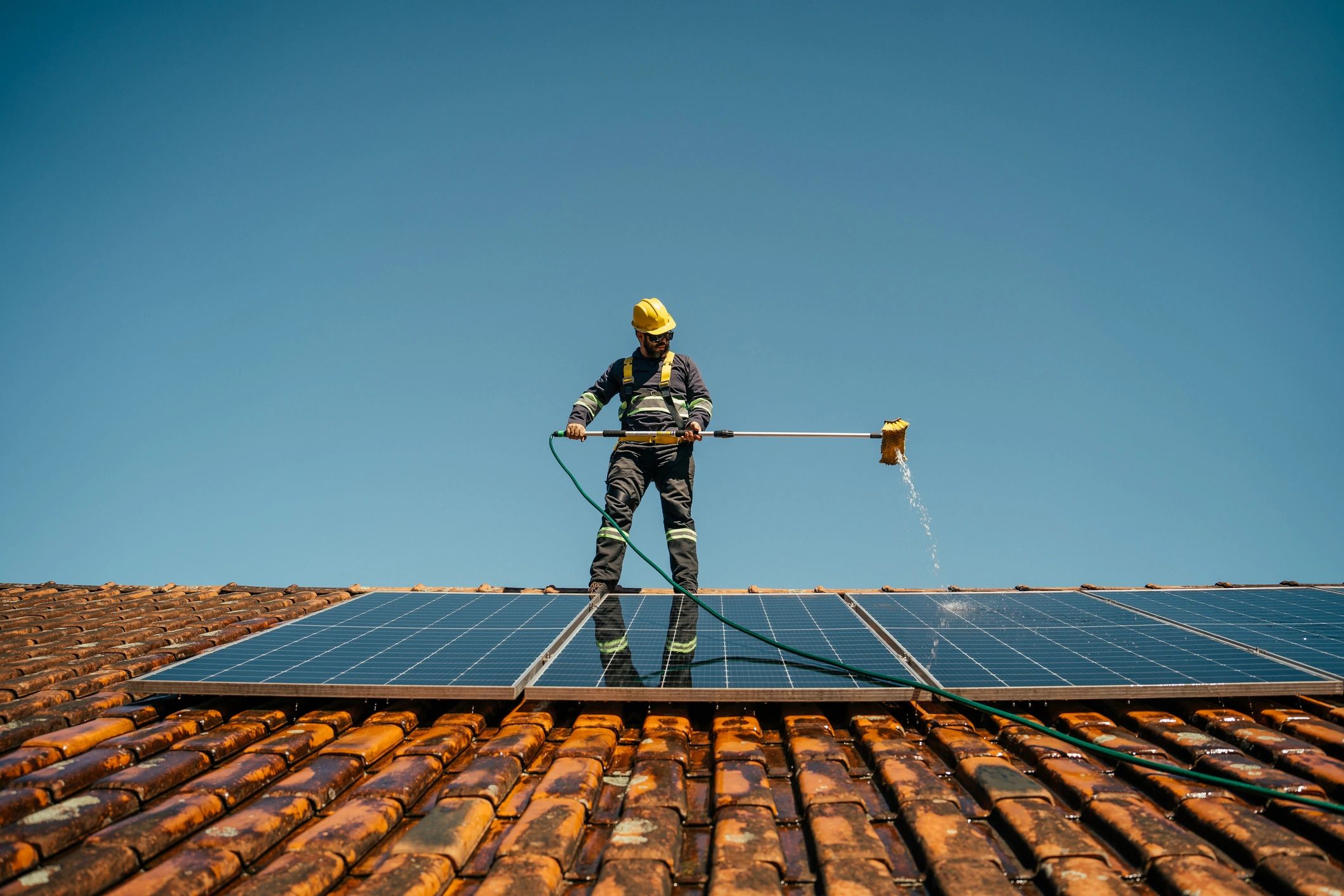
The Hidden Threat Lurking on Your Roof—And How to Stop It
Dark streaks creeping down your roof? That’s not just dirt—it’s likely Gloeocapsa magma, a stubborn algae species thriving in Maryland’s humid climate. Over time, unchecked organic growth like algae, moss, and lichen can compromise your roof’s integrity, shortening its lifespan and diminishing your home’s curb appeal. Roof washing isn’t just about aesthetics; it’s a critical component of proactive home maintenance, especially in regions like Columbia and surrounding areas where moisture and shade create ideal conditions for biological buildup.
Moss retains water against shingles, accelerating granule loss and leading to leaks. Algae may seem harmless, but its presence signals a moist environment where mold and mildew can also take hold—potentially affecting indoor air quality and structural durability. Left untreated, these organisms eat away at roofing materials, leading to costly repairs or premature replacement.
The good news? Regular roof washing removes these threats safely and effectively. Using low-pressure soft washing techniques, homeowners can eliminate organic growth without damaging shingles or voiding manufacturer warranties. In this guide, you’ll learn the science behind roof cleaning, the risks of DIY mistakes, and how to extend the life of your roof with smart, seasonal maintenance tailored to Mid-Atlantic weather patterns.
What’s Damaging Your Roof? Understanding the Hidden Threats
Roof damage often starts with what you can’t immediately see—microscopic organisms, persistent moisture, and accumulated debris that compromise both appearance and longevity. One of the most common culprits is Gloeocapsa magma, a strain of bacteria responsible for the dark, streaky stains frequently seen on asphalt shingles, especially in humid areas like Columbia and throughout Maryland. This bacteria feeds on the limestone filler in shingles, weakening them over time and reducing roof lifespan if left untreated.
Moss is another silent threat, particularly on shaded or north-facing slopes. As it grows, moss retains moisture against the roof surface, trapping debris and creating the perfect environment for decay. Over time, this moisture buildup can lead to wood rot in underlying decking, clogged gutters, and even structural damage during freeze-thaw cycles.
Debris accumulation—from overhanging trees, aging shingles, or nearby construction—also plays a major role. Leaves, twigs, and granules create damp pockets where mold and algae thrive, accelerating wear and increasing the risk of water intrusion.
Prevention starts with regular inspection and proactive cleaning using low-pressure methods like soft washing, which removes organic growth safely without damaging shingles. Trimming tree limbs, clearing gutters, and scheduling routine roof maintenance every 1–2 years can significantly reduce long-term damage and protect your home’s exterior investment.
Safely Wash Your Roof with Soft Washing: A Step-by-Step Guide
Keeping your roof clean doesn’t require high-pressure blasting that risks damage. Soft washing offers a safer, more effective way to remove algae, mold, and dark streaks without compromising shingle integrity. Designed for delicate surfaces like asphalt, tile, or metal roofs common in humid climates such as Maryland’s, this method uses low-pressure application and targeted cleaning solutions for long-lasting results. Follow these steps to ensure a thorough, safe roof wash.
1. Inspect and Prep the Roof Area Walk around your property to assess roof condition and identify fragile areas like loose shingles, vents, or flashing. Trim overhanging branches and clear gutters of debris. Protect landscaping by wetting down plants and covering sensitive shrubs—this minimizes chemical exposure during application.
2. Mix the Proper Cleaning Solution Use an EPA-registered, sodium hypochlorite-based biocide formulated for roof cleaning. Dilute according to manufacturer specifications—typically a 5:1 water-to-solution ratio—to effectively kill Gloeocapsa magma (the bacteria behind black stains) without damaging roofing materials or nearby vegetation.
3. Apply the Solution from Bottom to Top Using a pump sprayer with a fan tip nozzle, apply the solution evenly starting at the roof’s edge and working upward. This prevents streaking and ensures full coverage. Let the solution dwell for 10–15 minutes—long enough to penetrate and kill organic growth—but don’t allow it to dry.
4. Rinse Gently from Top to Bottom Using a telescopic wand and low pressure (under 500 PSI), rinse the roof downward to avoid forcing water beneath shingles. This step removes residue and prevents water intrusion, especially important for homes in Columbia and surrounding areas prone to moisture buildup.
5. Conduct a Post-Wash Inspection Check for missed spots, lingering streaks, or signs of surface damage. Schedule follow-up cleanings every 12–24 months to maintain curb appeal and extend roof life, particularly in shaded or high-humidity zones.
DIY vs. Professional Roof Washing: What’s the Real Cost Difference?
Tackling roof washing on your own might seem like a budget-friendly solution, but understanding the full scope of risks and long-term value is crucial for property owners in Maryland’s humid climate. While DIY methods can offer short-term savings, they often fall short in safety, consistency, and lasting results.
Equipment and Safety Risks
- DIY Approach: Typically involves renting a pressure washer or using garden hose attachments with cleaning solutions. Working at heights on a slippery roof significantly increases fall risk. Ladders, unstable footing, and lack of safety gear contribute to thousands of home maintenance injuries annually.
- Professional Service: Trained technicians use calibrated soft washing systems with low-pressure applicators and eco-safe biocides, minimizing structural and personal risk. They’re equipped with fall protection, proper nozzles, and surface-specific formulas to prevent damage.
Effectiveness and Longevity
- DIY Results: Often inconsistent—improper chemical dilution or inadequate dwell time leads to incomplete algae and mold removal. Many homeowners accidentally damage shingles using excessive pressure.
- Professional Results: Achieve complete microbial kill with EPA-registered solutions applied evenly. This extends cleanliness duration by 2–3 times compared to DIY attempts.
Long-Term Value Professionals prevent costly repairs by avoiding water intrusion, shingle loss, and gutter damage. For homes in Columbia, Annapolis, and surrounding areas, regular professional roof maintenance protects roofing warranties and boosts curb appeal ahead of resale.
Roof Washing Essentials: Your Top Questions Answered
How often should I wash my roof? For most homes in humid climates like Maryland, a professional roof wash every 2–3 years is sufficient to prevent buildup of algae, moss, and mildew. Properties in shaded areas or near trees and water sources may require more frequent cleaning—every 12 to 18 months—to maintain surface integrity and curb appeal.
What does roof washing typically cost? Pricing varies based on roof size, pitch, level of contamination, and accessibility. Most residential cleanings fall within a predictable range, with additional factors like height and debris accumulation influencing the final quote. For accurate budgeting, obtain a site-specific estimate from a qualified provider.
Is roof washing safe for my shingles? Yes—when performed correctly using soft washing techniques. This method applies low pressure (under 500 PSI) combined with EPA-approved biocides to gently remove organic growth without damaging asphalt, composite, or tile shingles. Avoid high-pressure rinsing, which can dislodge granules and compromise waterproofing layers.
Can roof washing prevent leaks or water damage? Absolutely. Organic growth like Gloeocapsa magma retains moisture and accelerates shingle deterioration. Regular cleaning removes this hazard, reducing the risk of water penetration, roof rot, and gutter clogs—common issues in regions with frequent rainfall and humidity.
Do I need to hire a professional, or can I DIY? Due to the height, slip hazards, and risk of incorrect chemical application, roof washing is best left to trained technicians. Professionals use calibrated equipment, safety gear, and proper fall protection to ensure a thorough, hazard-free service.
Will cleaning my roof extend its lifespan? Yes. Removing mold, algae, and debris prevents biological decay and granule loss, helping shingles perform as intended. Combined with routine inspections, soft washing can add years to your roof’s service life—particularly valuable in high-moisture environments.
Keep Your Roof in Top Shape: The Importance of Proactive Maintenance
Regular roof maintenance isn’t just about appearance—it’s a critical step in protecting your home’s structural integrity, especially in humid climates like Maryland’s. Over time, organic growth such as algae, moss, and mold can take hold on shingles, leading to premature deterioration, water retention, and even roof failure if left unchecked. Soft washing offers a safe, effective solution that removes these contaminants without damaging delicate roofing materials. Unlike high-pressure methods that risk dislodging shingles or forcing water beneath layers, soft washing uses low-pressure application of specialized biocides to eliminate growth at the root level, delivering longer-lasting results.
Homeowners in Columbia and surrounding areas benefit most by adopting a preventive mindset. Consider these actionable steps:
- Inspect your roof twice a year, especially after heavy storms, looking for dark streaks, moss patches, or granule loss.
- Schedule soft washing every 12 to 24 months to stop organic buildup before it compromises your roof’s lifespan.
- Trim overhanging branches to reduce shade and moisture retention, two key contributors to roof decay.
By integrating soft washing into your seasonal home maintenance routine, you not only enhance curb appeal but also extend the life of your roofing system. Take control today—assess your roof’s condition and plan your next cleaning to keep your home protected, efficient, and looking its best year after year.