Blog · July 17, 2026
The Complete Solar Panel Washing Guide
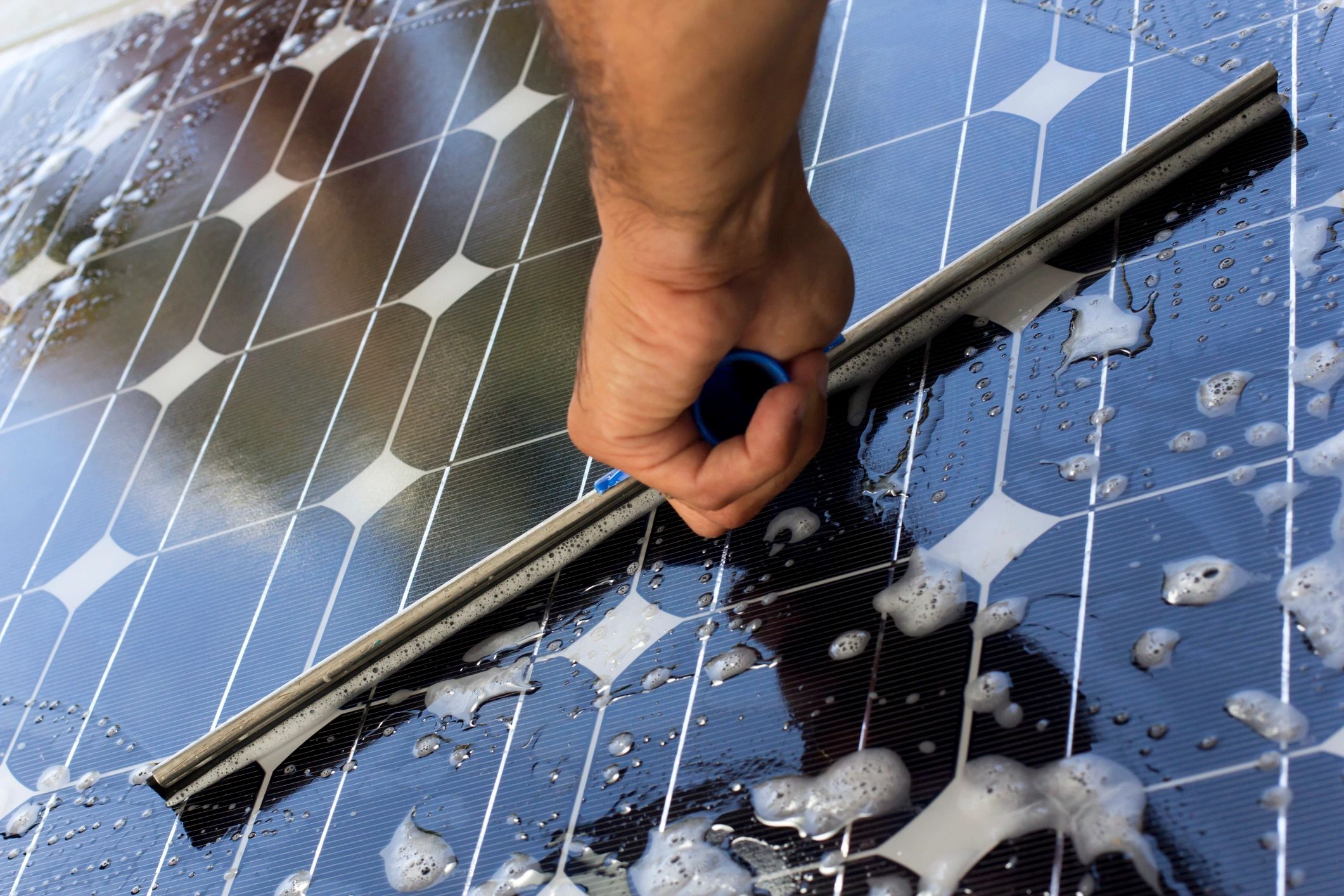
Is Your Solar Panel Working at Full Strength?
Sunlight is free, but if your solar panels are covered in dust, pollen, bird droppings, or tree debris, you're likely wasting a significant portion of your system’s potential. Even a thin layer of grime can block valuable rays and reduce energy production by up to 20% or more—especially in areas like Columbia and throughout Maryland where seasonal weather patterns contribute to rapid buildup. Over time, this loss adds up, leading to underperformance and lower electricity savings.
The core issue lies in how solar cells convert sunlight into power. When dirt or shading covers part of a panel, it doesn’t just reduce output in that spot—it can affect the entire string of connected panels due to the way inverters balance loads. This means one dirty panel might drag down the efficiency of your whole array.
Regular solar panel washing is essential for maintaining peak performance. It’s not just about wiping off visible dirt; it’s about ensuring consistent exposure across every photovoltaic cell. In regions with low rainfall or high pollen counts, manual cleaning becomes even more critical. By incorporating panel maintenance into your seasonal home care routine, you protect your energy investment and maximize return over the lifespan of your system. In the sections that follow, you’ll learn best practices for safe, effective cleaning and how to avoid common mistakes that could damage your panels or void warranties.
Why Dirty Solar Panels Are Costing You More Than You Think
Solar panels are built to withstand the elements, but over time, dirt, dust, pollen, bird droppings, and organic growth like algae or lichen can accumulate—especially in humid climates like Maryland’s. This buildup isn’t just unsightly; it directly undermines your system’s performance and longevity. Even a thin layer of grime can block sunlight from reaching the photovoltaic cells, leading to reduced efficiency—sometimes by as much as 15–25% according to general industry observations. In shaded or coastal areas such as Columbia and Annapolis, where pollen and salt spray are common, the impact can be even more pronounced.
One often-overlooked consequence is the formation of hot spots. When debris creates uneven shading across a panel, some cells work harder than others, causing localized overheating. This not only degrades the affected cells faster but can also lead to permanent damage, including cracked glass or solder joint failure.
Long-term neglect increases the risk of permanent degradation. Organic matter like moss retains moisture, which can seep into panel edges or framing, leading to corrosion and delamination—issues that may void manufacturer warranties. Regular cleaning with soft washing techniques helps maintain peak efficiency, prevents hot spots, and extends the service life of your solar array. For optimal results, schedule professional cleanings every 12–18 months, especially if your panels are near trees or in low-tilt installations where debris tends to settle.
Clean Your Solar Panels Like a Pro: A Step-by-Step Safety-First Approach
Maximize your solar panel efficiency with a thorough yet safe cleaning process that protects both your investment and your home. Dirt, dust, bird droppings, and pollen build up over time, reducing energy output by up to 15%—especially in areas like Columbia, where seasonal pollen and occasional dust storms accelerate grime accumulation. Follow this step-by-step guide to ensure a safe, effective clean without risking damage to photovoltaic cells or roofing materials.
1. Choose the Right Time Clean early in the morning or on a cool, overcast day to prevent rapid drying and water spots. Avoid direct sunlight, as it can cause cleaning solutions to evaporate too quickly and leave residue.
2. Turn Off the System (If Required) Consult your inverter manual—some systems require a shutdown before maintenance. Safety first: never spray water on energized electrical components.
3. Rinse Gently with Deionized or Soft Water Using a garden hose with a soft spray nozzle, lightly rinse the panel surface to remove loose debris. Avoid high pressure, which can compromise sealant edges or force water into junction boxes.
4. Clean with a Non-Abrasive Tool Use a squeegee with a microfiber cover or a soft brush on an extension pole. Apply a mild, non-ionic detergent diluted in water—never household cleaners, which can leave conductive residues or damage anti-reflective coatings.
5. Rinse and Dry Thoroughly Flush all soap residue with clean water. Use the squeegee to minimize streaks and prevent mineral deposits, particularly important in hard water areas.
Regular cleaning every 6–12 months ensures peak performance and extends the life of your solar array.
DIY vs. Professional Solar Panel Washing: Which Option Delivers the Best Results?
When it comes to maintaining peak solar energy production, regular panel cleaning is essential—especially in areas with high pollen, dust, or bird activity. Homeowners often face a critical decision: handle the cleaning themselves or hire trained specialists. Understanding the trade-offs in cost, safety, and performance can help make the right choice for long-term system health.
Cost Considerations
- DIY Cleaning: Initial costs are low—usually limited to a squeegee, hose, and mild detergent. However, unexpected expenses can arise from damaged panels, water spotting, or voided warranties due to improper techniques.
- Professional Services: Upfront investment is higher, but pricing often includes water-fed pole systems, deionized water, and panel inspections. Many providers in the Mid-Atlantic region offer seasonal maintenance packages that improve long-term value.
Safety and Accessibility
- DIY Risks: Climbing roofs or using unstable ladders increases injury potential. Wet surfaces, electrical components, and roof pitch all contribute to hazardous conditions—especially for untrained individuals.
- Professional Advantage: Technicians use fall protection, non-conductive tools, and extension poles to clean panels from the ground or secure positions, minimizing personal and system risk.
Effectiveness and Longevity
- DIY efforts may leave behind residue or miss hard-to-reach areas, reducing light transmission and efficiency.
- Professionals ensure streak-free results using purified water and soft-cleaning methods that protect anti-reflective coatings, helping panels maintain optimal output year after year—particularly important for properties in Columbia, Annapolis, and surrounding areas with seasonal weather challenges.
Solar Panel Maintenance Demystified: Your Top FAQs Answered
How often should I clean my solar panels? For optimal performance, most homeowners benefit from cleaning solar panels every 6 to 12 months. Frequency depends on local conditions—properties in dusty areas, regions with frequent pollen, or homes surrounded by trees may require more frequent cleaning. In locations like Columbia, where seasonal weather patterns contribute to buildup, semi-annual inspections help determine cleaning needs based on visible soiling or energy output changes.
Does rain clean solar panels effectively? While rain helps wash away loose debris, it often fails to remove sticky residues like bird droppings, pollen, or dust cakes. Without mechanical cleaning, these deposits can create shading effects, reducing panel efficiency. Relying solely on rainfall may lead to long-term energy losses, especially in flat-mounted arrays that don’t benefit from natural runoff.
Can dirty solar panels really impact energy production? Yes—accumulated grime can reduce energy output by up to 30%, depending on severity. Dust, shade-casting debris, or organic growth block sunlight from reaching photovoltaic cells, diminishing efficiency. Regular cleaning ensures panels operate at peak capacity, maximizing return on investment and system longevity.
Is there a best time of year to clean solar panels? Spring and fall are ideal—avoiding extreme heat and ensuring panels are clean before high-demand seasons. Cleaning early in the morning or on overcast days prevents rapid drying and streaking. Schedule cleanings after heavy pollen seasons or nearby construction to prevent performance dips.
Should I use tap water or deionized water? Deionized water is preferred as it prevents mineral spotting, especially in hard water areas. Tap water can leave behind residue that builds up over time, reducing light transmission. For best results, professionals use filtered or deionized water with purified rinse systems.
Can cleaning damage my solar panels? If done improperly, yes. Using abrasive tools, high-pressure sprays, or harsh chemicals can scratch surfaces or void warranties. Always opt for soft brushes, low-pressure rinsing, and non-caustic cleaners. For rooftop systems, consider hiring trained technicians familiar with electrical safety and fall protection.
Are there performance benefits to regular solar panel washing? Absolutely. Clean panels generate more electricity, improve system efficiency, and help identify potential issues during inspection. Consistent maintenance ensures your solar investment delivers maximum output year-round—particularly valuable in Mid-Atlantic regions where environmental factors impact performance.
Maximize Your Solar Investment with Consistent Maintenance
Regular solar panel washing isn't just a cleaning chore—it's a critical step in protecting your system’s performance and ensuring you get the strongest return on investment over time. Over weeks and months, dust, pollen, bird droppings, and airborne pollutants settle on panel surfaces, creating a layer that blocks sunlight and reduces energy output. Even minor soiling can lead to measurable efficiency drops, especially in areas like Columbia and surrounding Maryland regions where humidity and tree cover accelerate buildup.
Clean panels operate at peak efficiency, converting more sunlight into usable electricity and reducing reliance on the grid during peak hours. Over time, this directly lowers utility bills and shortens the payback period on your solar investment. To maintain ideal performance:
- Inspect panels every few months, especially after storms or heavy pollen seasons
- Schedule professional cleaning every 12 to 18 months, or more often in high-dust or coastal areas
- Trim nearby vegetation to minimize shading and debris accumulation
By integrating panel washing into your annual home maintenance routine, you protect not only energy production but also the long-term durability of your system. Don’t let avoidable grime diminish your solar gains—take action today to keep your panels shining and your savings rising.